
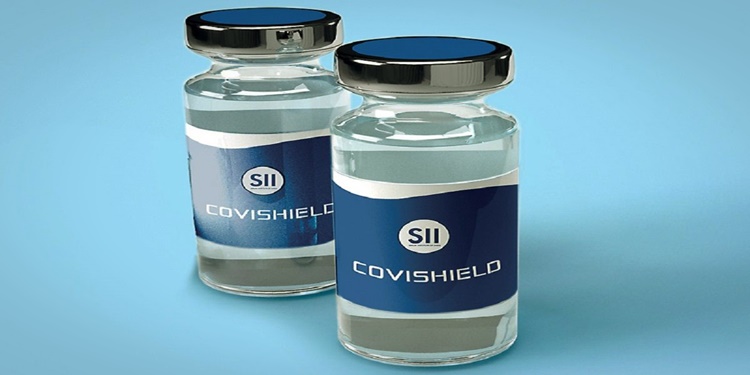
The Oxford University on Thursday announced that its vaccine being developed by AstraZeneca a British-Swedish multinational pharmaceutical has turned out to be effective, especially due to the two-phase cycle comprising of a half and a full dose. The University states that the half-dose followed by the booster dose helped in improving the efficacy of the vaccine, thereby inducing stronger antibody responses than single-dose vaccines. Following phase one and two clinical trials, it is learnt that the vaccine stimulated broad antibody and T-cell functions.
On the other hand, it is believed that the Oxford-AstraZeneca vaccine would be available in India by the first half of 2021. It is also known that the Serum Institute of India in Pune is conducting the clinical trials of Oxford’s Covishield. It may be noted that the AstraZeneca vaccine holds greater significance given the fact that it doesn’t need freezers and just requires refrigeration between 2 to 8°C. While in India the major challenge that exists in the distribution of the vaccine is in rural areas where there is a lack of proper infrastructure. However, Pfizer and Moderna’s mRNA vaccine though has a 95% efficacy needs to be stored below -70°C and -20°C.